




Exploring the Intersection of Fiscal and Organizational Psychology
On Thursday, April 2, 2026, Global Academy Intelligence (GAiN) and ENCG Settat organized a pioneering conference on fiscal and organizational psychology. The event featured the participation of Prof. Rachid Oumlil, Director of ENCG Settat; Prof. Said El Ganich, Academic Director of ENCG Settat; and Prof. Salima Jazi, Deputy Director in charge of Research and International Cooperation.
Taxation has strong political and psychological sensitivity. Indeed, fiscal psychology studies the behavioral determinants of tax compliance, focusing on tax legitimacy and legality. It analyzes how tax policy influences the behavior of taxpayers (both individuals and legal entities).
At the same time, the field and scope of organizational psychology apply to businesses to align structures, management, and the performance of production factors.
The key question that arises is: what is the relationship and synergy between these two fields?
Companies adjust their structures to comply with and maximize tax benefits while respecting the applicable tax laws.
Psychological determinants, such as competitive strategy, as well as tax evasion and fraud behaviors, affect corporate tax compliance.
Fiscal psychology refers to understanding business psychology, particularly the impact of managerial decisions on tax optimization.
In other words, tax compliance encompasses a psychological and moral dimension shaped by a cumulative dynamic of several factors, including organizational psychology, trust in institutions, and more.
We can conclude that improving tax compliance is not only an economic and legal issue, but also a matter of psychology.Taxation has strong political and psychological sensitivity. Indeed, fiscal psychology studies the behavioral determinants of tax compliance, focusing on tax legitimacy and legality. It analyzes how tax policy influences the behavior of taxpayers (both individuals and legal entities).
At the same time, the field and scope of organizational psychology apply to businesses to align structures, management, and the performance of production factors.
The key question that arises is: what is the relationship and synergy between these two fields?
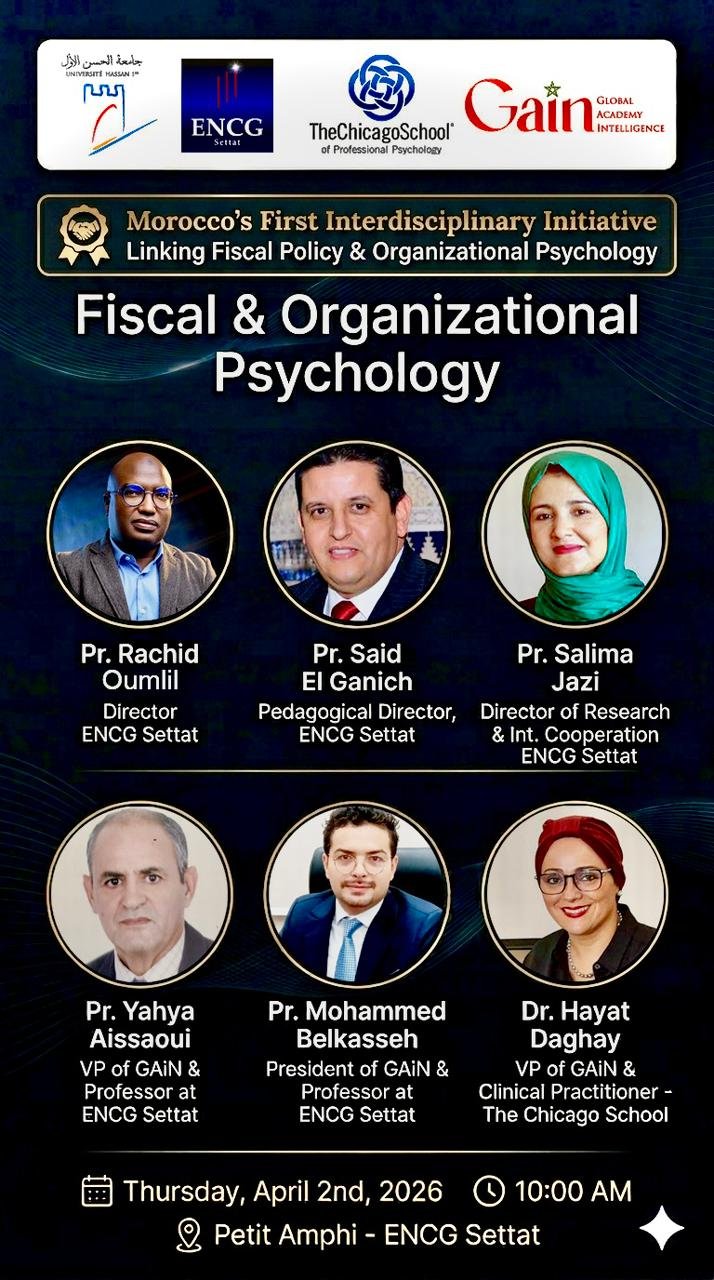





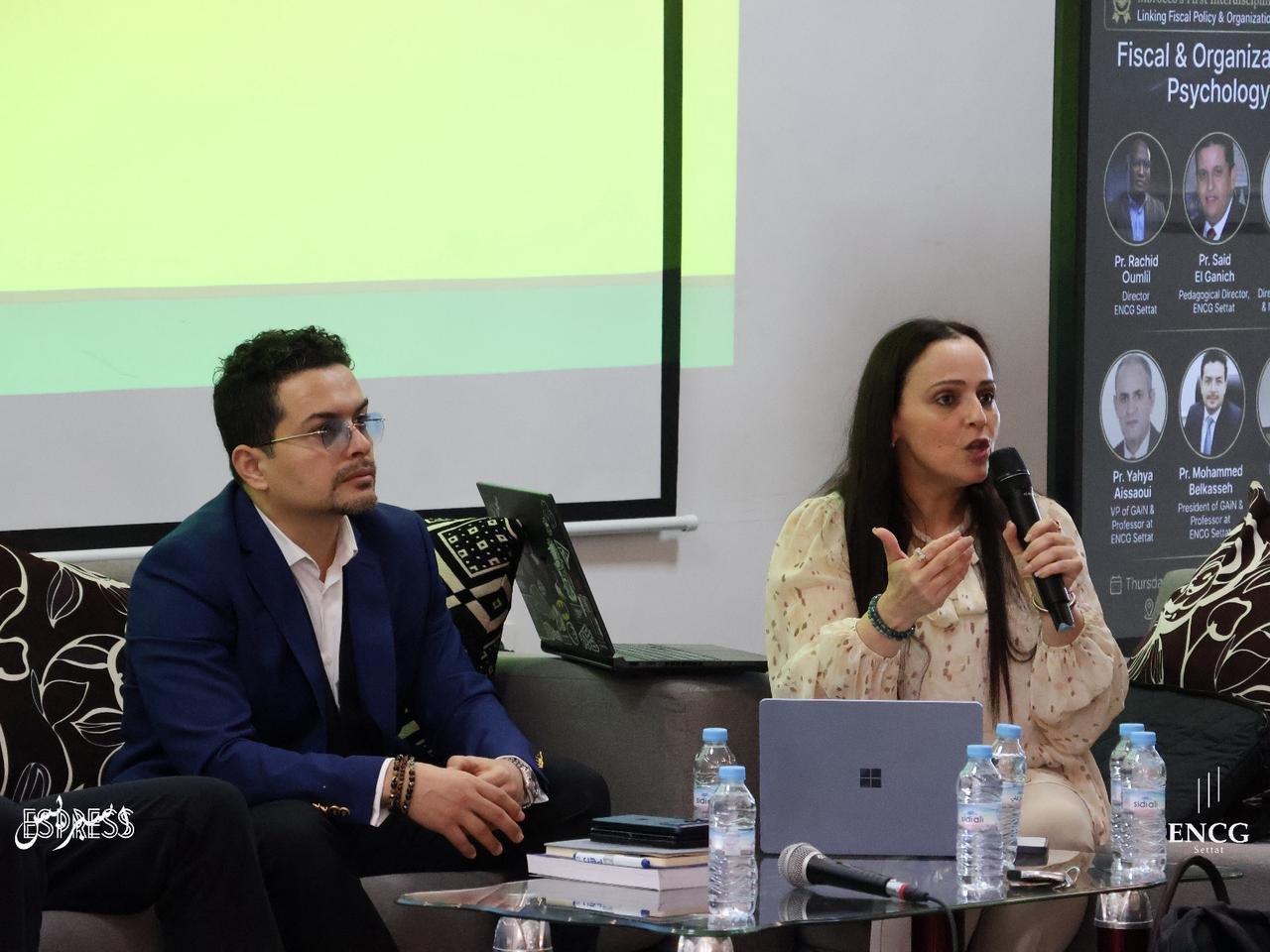
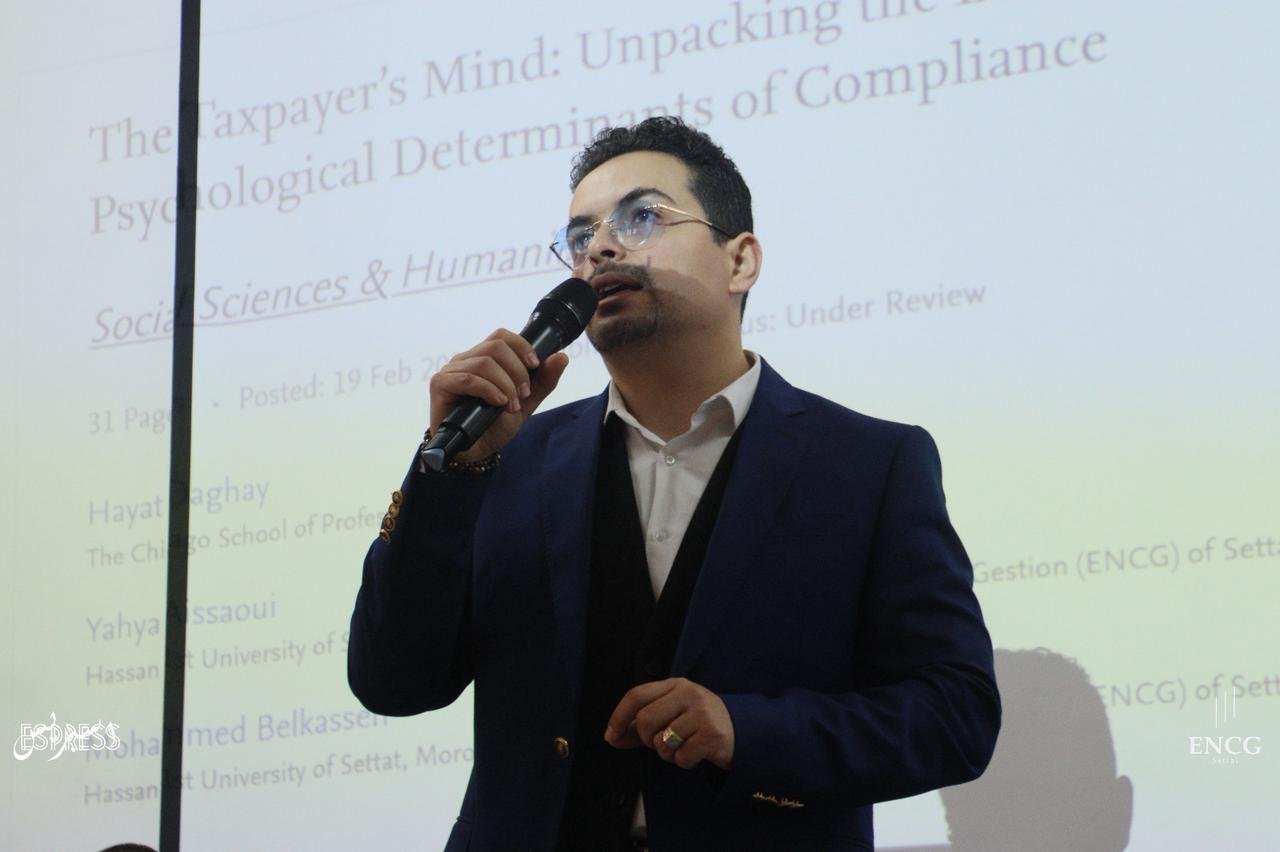
Prof. Mohammed Belkasseh
Professor at ENCG Settat, Hassan 1st University of Settat
President – Global Academy Intelligence (GAiN)
Prof. Yahya Aissaoui
Professor at ENCG Settat, Hassan 1st University of Settat
Vice President – Global Academy Intelligence (GAiN)
Dr. Hayat Daghay
International Psychologist – Chicago School of Professional Psychology
Vice President – Global Academy Intelligence (GAiN)